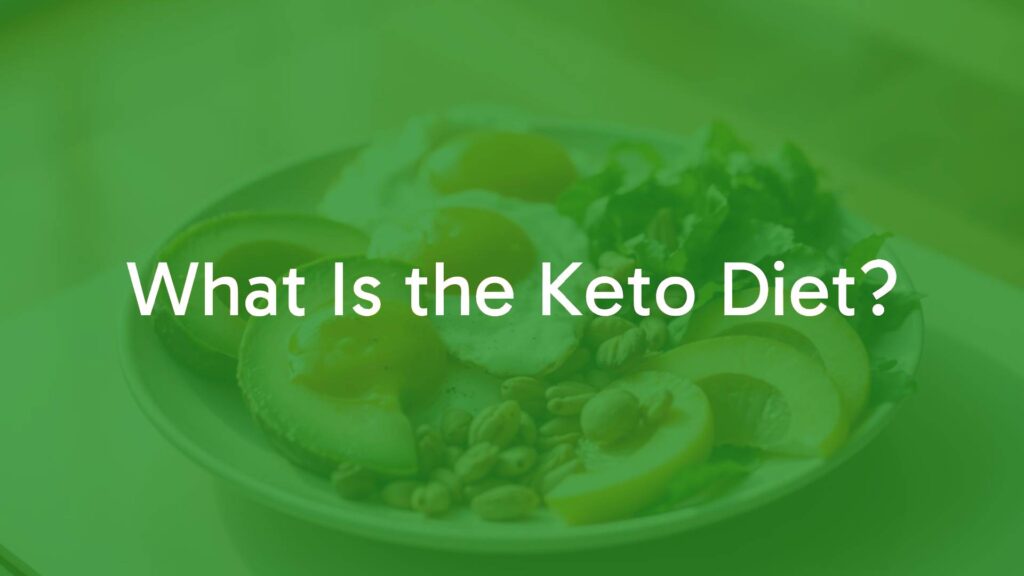
The ketogenic or “keto” diet is a way of eating that has become very popular, mostly because many people say it helps with weight loss. But what is the keto diet, exactly? In short, it’s a low-carbohydrate, high-fat eating plan that changes how your body gets its energy. Instead of running on sugar from carbs, your body starts using fat for fuel. This change puts your body in a state called ketosis, which makes it burn fat for energy-including the fat you already have stored. Although some see keto as a new idea, it’s been used since the 1920s, first as a way to help children with epilepsy control their seizures.

What Is the Keto Diet?
The keto diet works by lowering your carb intake a lot and raising your fat intake, while keeping protein moderate. This shift in how you eat makes your body enter ketosis. Unlike other low-carb diets that might allow more protein, keto focuses mainly on fat, which can make up to 90% of your daily calories.
The idea is simple: when you don’t eat carbs, your body has to find a new energy source. It turns to fat-both from your food and your body. Fat is changed into ketones, which your organs, including your brain, can use for energy. This is what makes keto different from diets like Atkins, which came out in the 1970s and usually allows more protein and carbs.

How Does the Keto Diet Work?
Basically, keto changes how your body gets energy. Normally, your body uses glucose from carbs. But when you cut carbs down to less than 50 grams a day (sometimes even 20 grams), your stored glucose runs out quickly, usually within 3 to 4 days. When that happens, your body switches to burning fat.
According to dietitian Roshini G. Merneedi at Northwestern Medicine, “The keto diet limits carbohydrates, forcing your body to burn fat for fuel instead.” As you use more fat, your body breaks it down into ketones. These ketones replace glucose as your main energy source, which is why some people lose weight or see changes in their health on this diet.

What Is Ketosis?
Ketosis is when your body uses fat for energy, not carbs. This happens naturally during sleep or if you skip a meal, but on the keto diet, ketosis is stronger because you eat much fewer carbs. Your liver makes ketones out of fat and sends them into your bloodstream for your body to use.
If you’re in ketosis, you might notice you’re thirstier, your mouth feels dry, you need to pee more often, and you don’t feel as hungry. The best way to check if you’re in ketosis is with a blood test that measures ketones. Remember, ketosis is different from ketoacidosis, which is a dangerous situation that happens mostly to people with type 1 diabetes who do not have enough insulin.

What Foods Does the Keto Diet Include?
Because keto is high in fat and low in carbs, you’ll focus on certain foods. Most of your calories come from fats like olive oil, avocados, butter, and unprocessed nuts (e.g., almonds and walnuts). Fatty fish such as salmon, trout, and mackerel also fit well. Eggs, especially those enriched with omega-3, are also a common choice.
Protein foods on keto include red meat, steak, ham, sausage, bacon, chicken, and turkey. Cheese that hasn’t been processed, like cheddar, goat, cream, blue, and mozzarella, is allowed too. Low-carb vegetables (non-starchy ones) such as lettuce, spinach, kale, broccoli, Brussels sprouts, asparagus, bell peppers, mushrooms, cucumbers, celery, and zucchini are encouraged. Berries can be eaten but only in small portions. To flavor your food, you can use salt, pepper, herbs, and spices. Most meals should be based on whole, simple ingredients.

| Allowed Foods | Examples |
|---|---|
| Fats & Oils | Olive oil, avocado, butter, coconut oil, nuts |
| Protein | Fish, beef, pork, poultry, eggs, cheese |
| Low-Carb Veggies | Spinach, broccoli, kale, peppers, zucchini |
| Berries (occasional) | Raspberries, strawberries, blackberries |
| Seasonings | Salt, pepper, herbs, spices |
Which Foods Are Excluded on Keto?
The keto diet means you have to avoid foods high in carbs. This goes for foods with a lot of sugar like soda, fruit juices, smoothies, cake, ice cream, and candy. Grains and starches-such as bread, rice, pasta, and most cereals-are not allowed either.
Most fruits are off-limits except for small amounts of berries, because fruit has a lot of sugar. Beans and legumes (peas, beans, lentils, chickpeas) have too many carbs, so they are also avoided. Root vegetables and tubers like potatoes, sweet potatoes, carrots, and parsnips should be skipped. Low-fat or “diet” products, and some sauces and condiments, often have hidden sugars or unwanted ingredients, so they aren’t a good idea either. Alcohol, especially beer and mixed drinks, is usually not allowed because it contains carbs. Even sugar-free foods should be checked for ingredients that might stop you from reaching ketosis.
| Foods to Avoid | Examples |
|---|---|
| Sugary Foods | Candy, soda, ice cream, cakes |
| Grains/Starches | Bread, rice, pasta, cereals |
| Most Fruits | Bananas, apples, oranges (except some berries) |
| Beans/Legumes | Lentils, chickpeas, kidney beans |
| Root Vegetables | Potatoes, carrots, parsnips |
| Alcohol | Beer, wine, sweet cocktails |
| Low-Fat Diet Products | Fat-free yogurt, low-fat margarine |

Main Keto Diet Rules
To reach and stay in ketosis, you need to follow certain rules. It’s not just about cutting out carbs-it’s also about keeping a careful balance between fats, proteins, and carbs. This strictness can make keto hard for some people to keep up with, but it’s what makes the diet effective for its main purposes.
Macronutrient Ratios on Keto
The keto diet uses a specific mix of fats, proteins, and carbs. Here’s a summary of what that usually means:
| Nutrient | % of Calories | Rough Daily Amount (2,000 cal diet) |
|---|---|---|
| Fat | 75% | 167 grams |
| Protein | 20% | 100 grams |
| Carbohydrates | 5% | 25 grams |
The low carb limit means even a single banana can put you over your daily allowance (since a banana can have about 27 grams of carbs). It’s also important not to eat too much protein because your body can turn extra protein into glucose, which could stop ketosis. This is why keto is not just a high-protein diet; it is mainly high in fat, with protein kept at a moderate level. Many people track their food closely to stick to these amounts.
Types of Ketogenic Diets
There are a few different versions of the keto diet, each with slightly different rules:
- Standard Ketogenic Diet (SKD): This is the most popular and well-known type, with 75% fat, 20% protein, and 5% carbs.
- High Protein Ketogenic Diet: Like the standard version, but with more protein-about 60% fat, 35% protein, and 5% carbs. Some people who exercise a lot prefer this kind.
- Cyclical Ketogenic Diet (CKD): This involves eating more carbs on some days (for example, 5 days of keto followed by 2 days with higher carbs). Athletes sometimes use this version to help with intense workouts.
- Targeted Ketogenic Diet (TKD): This lets you eat extra carbs around exercise to help with energy but aims to get back into ketosis quickly after. This type is also mostly for people who do lots of physical activity.
The standard and high-protein keto diets are the most researched and are best for most people. CKD and TKD are advanced and usually not recommended unless you are an athlete or have specific needs.
The keto diet is a way of eating that changes how your body uses energy and can lead to weight loss and some health changes. It started as a medical treatment for epilepsy, but now many people use it for weight loss or to feel healthier. The keto diet requires a lot of planning, careful tracking of what you eat, and willingness to give up many common foods. You may feel certain symptoms at first like the “keto flu,” and you need to watch your nutrition and heart health over time. If you’re thinking about trying this diet, talk to your doctor or a registered dietitian first. They can help you decide if keto is right for your body and health goals, and make sure you do it safely. Everyone’s journey to better health is different, and finding what works for you is important for lasting results.